Technical
C, C++, Java; Microsoft Office; project management
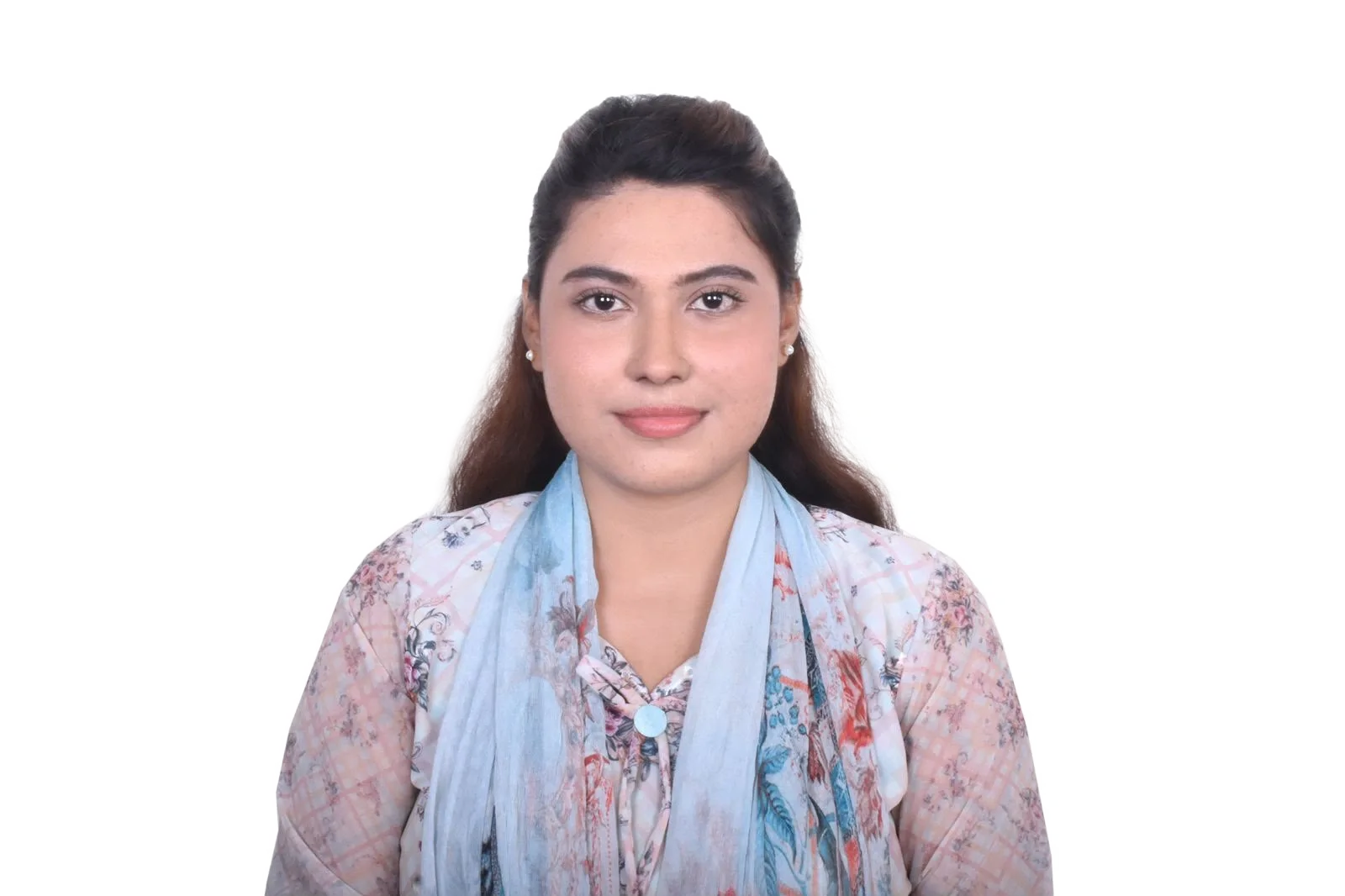
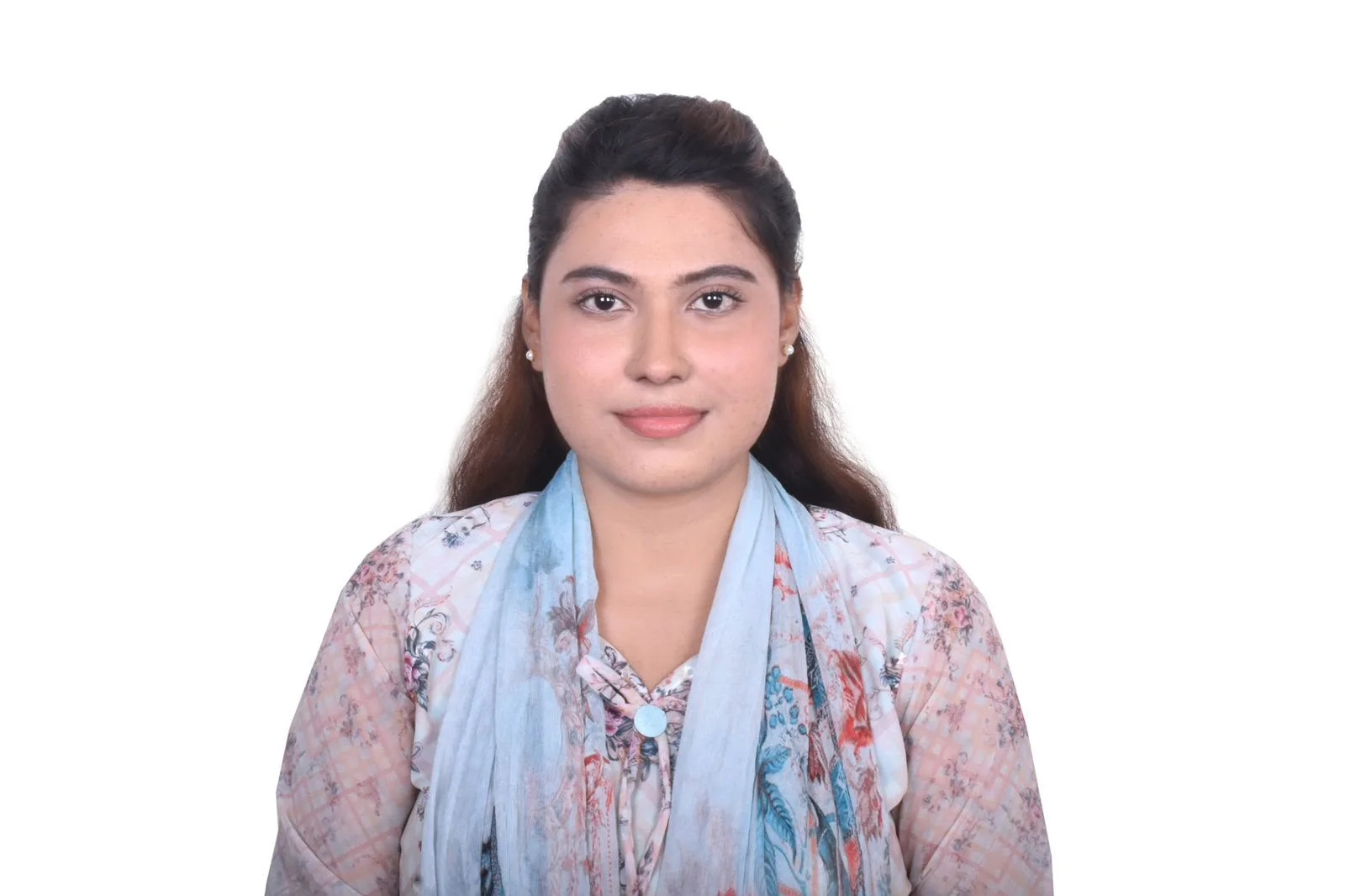
A Computer Science and Engineering graduate comparing machine learning algorithms and supervised learning models, with a particular interest in how they perform on clinical data.
Latest publications and research insights.
Health is like money in the crowded places of Dhaka, the hidden and untouched small ports of the Jamuna but it does not have the same value everywhere. A patient in Gulshan can meet a specialist within minutes and a woman living in a distant part of Sunamganj may suffer what public health scholars refer to as the distance of delay. In Bangladesh, healthcare disparity is not only about geography, but it is also about economics, digital, linguistic, and structural disparities.
With Bangladesh progressing faster into its vision of Smart Bangladesh 2041, the stethoscope is more and more joined by the algorithm. Diagnostic tools developed on the basis of Artificial Intelligence (AI) and used to screen tuberculosis, monitor maternal health, detect diabetic retinopathy, or predict risk factors of non-communicable diseases are no longer abstract research prototypes. Pilot projects are being done in community clinics, tertiary hospitals and digital health platforms nationall
Suppose that a world-class specialist is close by the press of a button. This is not one of the things that a young professional in Banani in 2026 will dream about, but it is a normal reality. Between meetings, it is possible to book a dermatology visit; a follow-up prescription is sent online in several minutes.
When it comes to matters of life and death such as in the case of public health, timing can be the difference between a containment and a disaster. In the case of Bangladesh, a highly populated nation, having over 1,100 people per square kilometer, resilience of the health system is always at stake. The highly seasonal floods, heatwaves, outbreaks of infectious diseases, emergencies of mothers and babies, and a gradual increase in non-communicable diseases all vie over scarce beds, medicines, an
A silent epidemic is gradually building up in the busy community clinics scattered all over rural Bangladesh. No longer are communicable diseases (NCDs) limited to the healthy populations of the wealthy living in cities. They have infiltrated villages, urban slums, and peri-urban settlements and altered the country epidemiology. With Bangladesh in the process of development till 2026, the classical approach to healthcare, which is wait and treat, is becoming less sustainable.
One of the posts in a large Facebook group during the dead of a Friday morning in 2025 stated that a routine childhood vaccine was based on an experiment by foreigners. The post was shared over 15,000 times on both WhatsApp and Messenger in the first six hours spreading through group chats in villages and market towns. By afternoon dozens of rural Sylhet parents had resolved not to attend their appointment in the local Upazila Health Complex. The rumor was not substantiated by any laboratory. It
Strolling across Dhaka streets in the winter seasons, one gets the impression of walking in a heavy gray curtain. The haze is low, and it smokes through traffic-crowded intersections, and it burns the throat. With the country slowly entering early 2026, both the existing empirical evidence and the intuitive judgments by the residents of the nation attest to the same fact: the quality of air in the capital is an acute public health crisis. What was previously defined anecdotally, i.e.
With Bangladesh progressing towards its bold vision of the smart Bangladesh 2041, the computerization of the services provided by the state is commonly viewed as an indicator of development. A strong move towards e-governance has seen the availability of thousands of government services online including the birth registration, hospital appointments among many others.
A silent epidemic is still going on in the Dhaka universities lecture halls in the high-pressured lecture rooms and in the understaffed clinics of the rural divisions. Mental health, which has always been a marginal voice among the discourse of Bangladesh public health, is finally emerging into the limelight. This is not only brought about by awareness programs or change in cultural discourse, but it is becoming more and more about the accuracy of Artificial Intelligence (AI).
Time in Dhaka is not the measure of productivity alone, but rather it is a condition of survival on the streets, which are labyrinthine. The relative distance between a cardiac patient in Old Dhaka, a garment worker in Mirpur or even a resident in Savar and the nearest tertiary hospital is sometimes not that big but the barrier that becomes hours long is an imaginary one. Poor pedestrian infrastructure, unplanned city growth, congestion and fragmented referral structures all lead to what urban h
Since decades the concept of public health in Bangladesh was characterized by response. Hospitals and clinics have always been the initial to raise a red flag about an outbreak, be it dengue during the monsoon season, influenza during the winter months or chikungunya gradually invading urban areas. By the alert arrival, the wards of Dhaka medical college, the Chittagong general hospital or other facilities in the region were already filled with patients. However, in approaching 2026 in Banglades
When discussing the issue of vulnerability within the context of the health of people in the community, the phrase vulnerable groups is frequently employed as though such groups are represented as homogeneous units: the poor, the elderly, women, or individuals with disabilities. But vulnerability is not usually an individual variable event. To a woman in a remote char in Kurigram, who has a physical disability, vulnerability is multiplexed and multidimensional, the characteristics of gender, geo
Suppose you had the greatest library in the world at your door, but the door was locked, and you could not buy the key because it cost you more a month than your rent. This does not symbolize anything to millions of Bangladeshis with disabilities, but is their everyday reality. About 15.6 million individuals or about 9 percent of the population cannot access the digital resources, information, and services that the other population members have access to without much hesitation.
The Bangladesh hospital, clinic and diagnostics center also have a shadow economy in the corridors. As the government is spending more money on healthcare, the truthful situation is that almost 73 percent of all health sales in Bangladesh are still directly paid by patients. Among this great ocean of out of pocket costs, there are certain underwater financial obstacles, be it large bills, informal payments, often called speed money or tips that constitute systemic barriers and place disproportio
The seat in the colorful classroom of the Sylhet secondary school, or the overcrowded school of Dhaka, is a narrative of potential squandered in a madrasah of Barisal rural or the crowded schools of Dhaka. Although Bangladesh has recorded notable advances in its primary education system wherein it has nearly one hundred percent enrollment in primary schools, the secondary education system has been a mountainous and bumpy ride.
The price of healthcare to a patient in Bangladesh is frequently calculated in hours prior to being calculated in Takas. A treatment ticket in a nation where the major public hospitals have exceedingly high patient waiting lists (OPDs) is more than just a piece of paper: it is a portal to a lengthy and frequently uncertain process of waiting. It is common to spend more time queueing than being served by the patients, with the waiting time extending to patient registration until consultation and
The hope and unspoken danger of pregnancy is a process in the distant villages of the Chars and in the congested city slums of Dhaka. Historic achievements have been made in maternal health in Bangladesh which has improved to a new level out of global average of 79 percent in maternal mortality rate (MMR) since 2000. However, these successes have not resulted in further improvements.
In the expansive rural Bangladesh agrarian environment where about 66 percent of the populace stays, reaching a healthcare facility is a battle against the time and geography. Although the country has come a long way especially in building more than 18,000 Community Clinics, space distance still dominates the life of a farmer in the haors of Sylhet or a family in the char lands of the Jamuna. Physical accessibility is one of the most endemic healthcare barriers that not only has an effect on rat
Malnutrition is much more than a biological state of being in the uproar of Dhaka urban slums and the communities at risk of malnutrition in the delta region of Bangladesh, it is a social economic imprint sewn upon the everyday life. Although the nation has made major strides, the distribution of nutritional results has been disproportional thus indicating the long-standing disparities that have characterized access to food, quality of diets and health over the long term.
In the crowded city rhythms of Dhaka where jostling and commotion is the order of the day, an ambulance siren is not an assurance, but frequently more of a call. The Bangladesh situation is that with critically ill or injured patients, the so-called Golden Hour of medical intervention (the time when a patient has the best chance of surviving) is often wasted either in traffic jams or poor communication, or is just poorly dispatched.
In the bustling wards of Dhaka’s tertiary hospitals, clinical notes are more than a simple record of patient visits—they are the “script” that guides every diagnostic and treatment decision. Yet as we enter 2026, research in computational health is revealing a subtle, often invisible author shaping these scripts: linguistic gender bias. While physicians strive for objectivity, unconscious patterns in the way symptoms are described often differ between men and women, leading to measurable dispari
In the narrow, bustling lanes of Dhaka’s Kamrangirchar or the remote marketplaces scattered across the Chittagong Hill Tracts, the first stop for a feverish child, a persistent cough, or abdominal discomfort is rarely a doctor—it is often the local pharmacy. For millions of Bangladeshis, the neighborhood medicine shop has evolved into an informal clinic, serving as the first and sometimes only point of contact with the healthcare system.
In the narrow, winding corridors of Dhaka’s urban slums and the flood-prone char lands of northern Bangladesh, a quiet but profound crisis is unfolding. While the country has achieved near-universal primary school enrollment, the journey through secondary education remains a leaky pipeline, with a significant number of students failing to complete their schooling.
As the sun rises over Dhaka in 2026, it brings more than light; it brings a quantifiable and escalating threat. The city, now grappling with a “feels like” temperature up to 4.5°C higher than the national average, has become a thermal battlefield. While residents in leafy, air-conditioned neighborhoods like Baridhara may find respite, countless others—rickshaw pullers in Korail slum or laborers in informal settlements—endure what amounts to a “stifling oven,” where tin-roofed homes can reach int
In 2026, the “Price of Health” in Bangladesh remains the most volatile currency, defining not only access to medical care but also the very survival of millions. Despite ongoing policy efforts toward Universal Health Coverage (UHC), the statistical landscape is stark: nearly 74% of all health expenditures are still paid out-of-pocket (OOP), and less than 1% of the population is formally insured.
In 2026, the heartbeat of Bangladesh is no longer just biological—it is digital, continuous, and predictive. From the high-rises of Banani in Dhaka to the bustling marketplaces of Chittagong, Smart Wearables—including smartwatches, fitness bands, and IoT sensors—are transforming the way citizens interact with their health. These devices are no longer mere luxury gadgets; they have become the “Digital Frontline” of preventive healthcare, providing real-time physiological monitoring and insights t
In the quiet hours of the night, when Dhaka’s streets finally fall silent, another form of activity peaks—one that is digital, continuous, and deeply revealing. Across social media platforms, from status updates on Facebook to anonymous forum posts and late-night tweets, millions of young Bangladeshis are expressing their thoughts, fears, and emotions in real-time. For many, social media has evolved into a "digital diary," a private space where the first hints of psychological distress appear lo
As Bangladesh accelerates along its "Smart Bangladesh 2041" trajectory, the labor market stands as the engine of national growth. Yet, in 2026, a persistent friction threatens to stall this momentum: the widespread exclusion of persons with disabilities from meaningful employment. While the national labor force participation rate hovers around 61.2%, for individuals with disabilities, participation drops sharply to just 22.5%. This is not merely a gap in numbers—it is a structural inequity that
In the bustling tea stalls of Chittagong and the endless scrolls of Dhaka’s social media feeds, public health messages compete for the most precious currency of 2026: attention. Whether it is an advisory on a new vaccine, a dengue outbreak, or a heatwave warning, the challenge has shifted from mere dissemination to meaningful engagement. Historically, public health communication in Bangladesh followed a broadcast model: loudspeakers, radio spots, and billboard campaigns dominated the landscape.
As Bangladesh accelerates toward its ambitious “Smart Bangladesh 2041” vision, the stethoscope is no longer the sole symbol of medical care; it is increasingly augmented by the algorithm. AI-powered diagnostic tools—from portable X-rays for Tuberculosis (TB) to AI-assisted clinical decision apps—are making their way into remote Upazilas and community health centers, offering the promise of faster, more accurate, and wider-reaching healthcare. By 2026, these tools are no longer experimental; they
In the bustling corridors of Dhaka Medical College, the National Institute of Cardiovascular Diseases (NICVD), and other tertiary hospitals across Bangladesh, the moment a patient is discharged is often treated as a triumph. Yet, for a significant proportion of Bangladeshi patients, that victory is short-lived. Within 30 days, many find themselves back in a hospital bed—a phenomenon known as the “revolving door” of healthcare. This cycle is not merely a medical frustration; in 2026, it is increa
Bangladesh has long been celebrated as a global “immunization miracle,” maintaining high routine coverage for decades and consistently meeting or surpassing WHO targets. Yet, as we examine the landscape in 2026, it becomes clear that this success is unevenly distributed. The challenge is no longer merely about vaccine availability; it is about understanding the subtle behavioral inequalities that determine whether a child receives all recommended doses on time.
In the sprawling urban landscapes of Dhaka and the quiet village paths of Jibannagar, adolescence represents a pivotal period of growth and transformation. For nearly 36 million young Bangladeshis—over one-fifth of the nation’s population—this decade, encompassing ages 10 to 19, is both a gateway to opportunity and a window of heightened vulnerability. Recent research from early 2026 underscores the stakes: one in six adolescents engages in at least one significant risk-taking behavior, ranging
In the intricate architecture of Bangladesh’s healthcare system, the referral pathway is designed to function as a seamless handoff: a patient moves from a local Community Clinic to a district-level hospital, and ultimately to a tertiary care facility when specialized intervention is required. Yet, in practice, this handoff often resembles a series of broken links rather than a smooth continuum.
In the quiet mornings of rural Narail and the bustling aisles of pharmacies in Dhaka, a silent yet profound health crisis is unfolding. For millions of Bangladeshis living with chronic conditions such as hypertension and diabetes, the efficacy of a prescription is contingent not merely on the availability of medicine, but on the patient’s ability to adhere consistently to the treatment regimen.
No articles in this category yet.
Active journals and conference submissions.
| Research title | Target venue | Date | Status |
|---|---|---|---|
| Performance Analysis of Supervised Learning Models for Diabetes Risk Prediction | N/A | 2026 | In submission |
| A Comparative Study of Machine Learning Algorithms for Early Disease Prediction Using Public Healthcare Datasets | N/A | 2026 | In submission |
Showing 2 of 2 publications
American International University-Bangladesh
Gazipur Govt. Mohila College
GPA 4.22
Joydebpur Govt. Girls High School
GPA 4.56
Southeast Bank Limited, Gazipur
Exposure to computer networking and IT operations, with administrative and technical support tasks.
C, C++, Java; Microsoft Office; project management
Bengali (native); English (advanced)